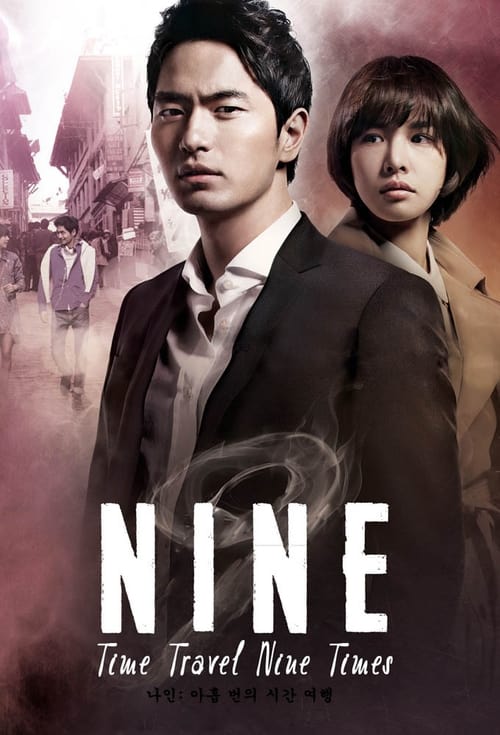
Nine: Nine Time Travels (2013)
A Benchmark for How Korean Drama Handles Time Travel
by 10days1movie · Published 2026-07-31
| Type | Series |
|---|---|
| Director | Kim Byung-soo |
| Cast | Lee Jin-wook, Jo Yoon-hee, Jeon No-min |
| Release | 2013 |
| Genre | Drama, Sci-Fi, Mystery |
| Runtime | 50min |
Nine: Nine Time Travels is a time-travel drama that aired on MBC in 2013. At a time when time travel as a premise was still uncommon in Korean drama, this show dramatically raised the genre’s standard of craft by treating the logic of causal consequences with genuine seriousness. Rating: ★4.0. It is a work worth remembering in the history of Korean drama for the thoroughness with which it uses time travel as a logical construct.
What it’s about — Incense That Travels Twenty Years Back
After being diagnosed with terminal brain cancer, news anchor Park Sun-woo (Lee Jin-wook) discovers nine incense sticks that allow him to travel back to exactly twenty years prior. One stick burns for exactly thirty minutes. He repeatedly crosses back and forth between past and present, trying to change his father’s death, his brother’s secret, and his own fate. The show ran twenty episodes beginning in March 2013.

Direction — Time Rules Kept to the End
The show’s greatest strength is that it sets its own rules for time travel and then keeps them all the way through. The way changing something in the past alters the present is designed with precision in each episode, and those changes accumulate to create increasingly unpredictable situations. Each time an episode ends, the present has shifted — generating real suspense as you wait for the next one. Director Kim Byung-soo is adept at keeping the complex timelines organized so viewers can follow along.
Performance & characters — A Relationship That Shifts Each Episode
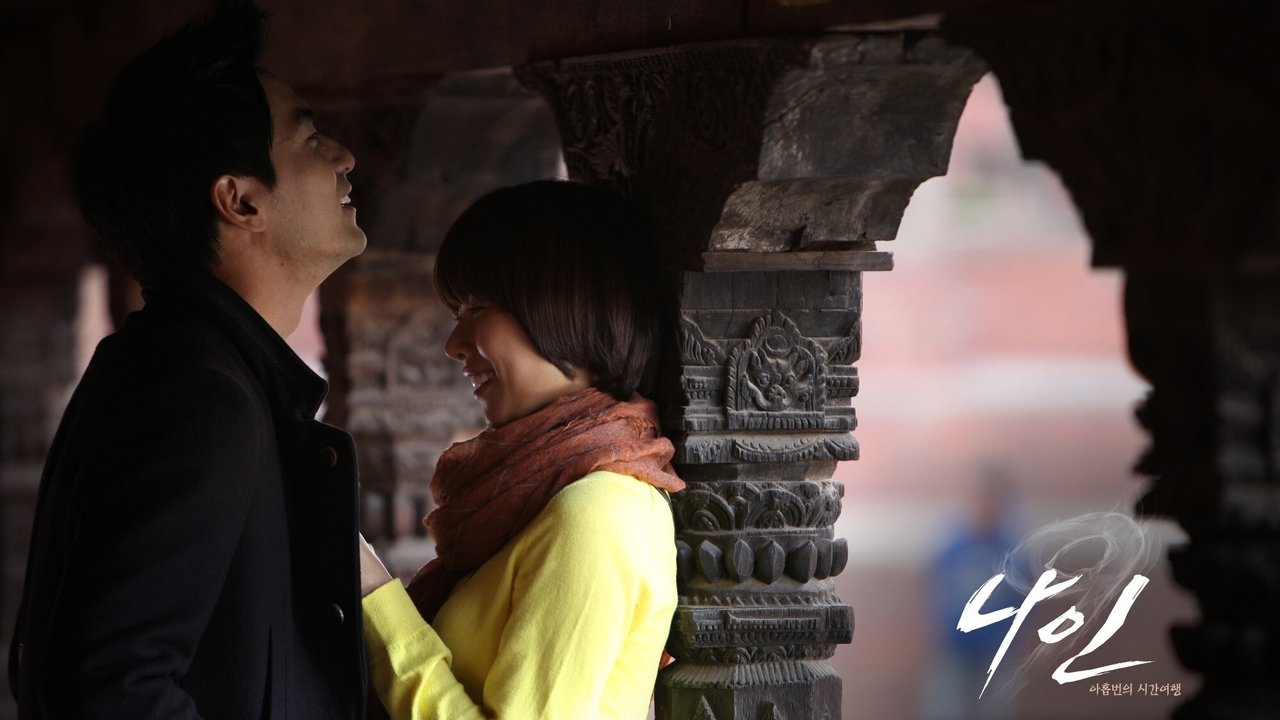
Lee Jin-wook plays a man who has received a terminal diagnosis and, having begun to set his affairs in order, is suddenly given a chance to reach the past — carrying that complex psychology with quiet restraint. He expresses the weight of desperation, obsession, and choice without forcing it. Jo Yoon-hee takes on the difficult challenge of a character whose very identity changes depending on which version of the timeline she inhabits, and handles it well. Even as the relationship between the two characters shifts from episode to episode as a result of time travel, the emotional thread remains intact and the romance stays believable.

What the work says — Which Past Will You Choose
Nine doesn’t use time travel purely as entertainment fodder. The question of what you would change if you could alter the past aims directly at human desire and regret. In particular, the way the protagonist’s attempt to prevent his father’s death unintentionally creates more and more complicated problems effectively exploits the fundamental irony of the time travel genre. The premise that no matter how much you fix the past, new problems emerge is realistic — and the show ultimately says that what matters is which past you choose to live with, and that this is the essence of life itself.
Ratings & reception
TMDB score is 7.6, IMDb score is 8.0. The show ended with relatively low ratings on broadcast network MBC during an era of cable drama dominance, but has since been re-evaluated and is consistently ranked among the most accomplished Korean time travel dramas for its structural integrity. It is widely regarded as having set the standard for subsequent shows in the genre, particularly in terms of the consistency of its temporal logic.
What doesn’t quite work
The middle portion of the twenty episodes is somewhat slow. As the timelines grow more complex, there are passages that may be hard for general viewers to follow. There are also criticisms that the logical basis for certain late-episode choices is unclear. The time travel genre has a tendency to build tension all the way to the end only to leave audiences feeling deflated at the finale, and this show is not entirely free of that.
Verdict
Nine is a work that demonstrates how deeply a Korean drama can be constructed as genre. The logical integrity of the time travel, the performances, and a script that maintains its causal rules all the way through are all of a high standard. Rating: ★4.0. If you enjoy time travel stories, Nine is a Korean drama you cannot afford to miss.
Nine’s place in the time travel genre
Nine is a case study in how precisely the device of time travel can be handled in Korean drama. Where previous Korean dramas’ time travel premises had largely been used as emotional devices, this show genuinely uses the logic of causality as its narrative engine. Every time the past is changed, the present shifts — giving viewers a new puzzle each episode to solve alongside the protagonist. That process is the show’s core pleasure. The drama also makes effective use of Nepal as a setting. The early scenes in which the protagonist follows the traces of his dead brother all the way to Nepal incorporate an exotic backdrop rarely seen in Korean drama in a way that feels organic. The choice of shooting location fits well with the solitude the story demands.
Recommended for
- Viewers who enjoy genre dramas that treat time travel seriously
- People who want a drama where romance unfolds inside a logical sci-fi premise
- Those who want a first introduction to actor Lee Jin-wook’s work
Comments