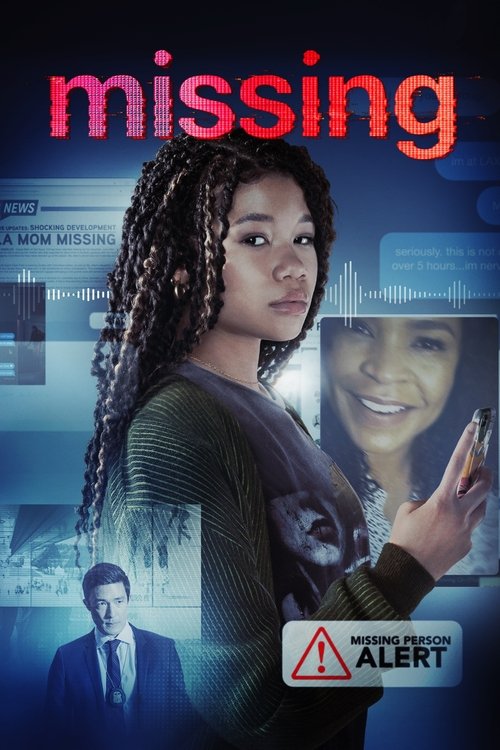
Missing (2023)
A Screenlife Thriller Driven by On-Screen Clues Alone
by 10days1movie · Published 2026-11-25
| Type | Movie |
|---|---|
| Director | Nicholas D. Johnson, Will Merrick |
| Cast | Storm Reid, Daniel Henney, Nia Long |
| Release | 2023 |
| Genre | Drama, Mystery, Thriller |
| Runtime | 111min |
If a film whose camera never once steps outside the screen keeps your palms sweating for 110 minutes, that in itself is a small achievement. Missing inherits the “screenlife” grammar that its predecessor Searching established and unravels its events solely within laptop screens and smartphone displays. Thanks to a well-built puzzle and clever twists, it lacks nothing in earning three and a half stars. Yet for someone seeing the same device a second time, skill registers before novelty.
What it’s about — A daughter searching for her vanished mother
The teenage girl June (Storm Reid) falls into unease when her mother (Nia Long), who left on a trip to Colombia with her boyfriend, fails to appear at the airport on the promised day. The police can do little about matters across a border, and time-zone and language barriers pile on top. June ends up tracking her mother’s whereabouts using only the tools in her own hands, namely a laptop and various online services. The process of mobilizing login records, payment histories, CCTV footage, and even local errand apps is the very plot of the film.
Direction — A viewpoint trapped inside the display
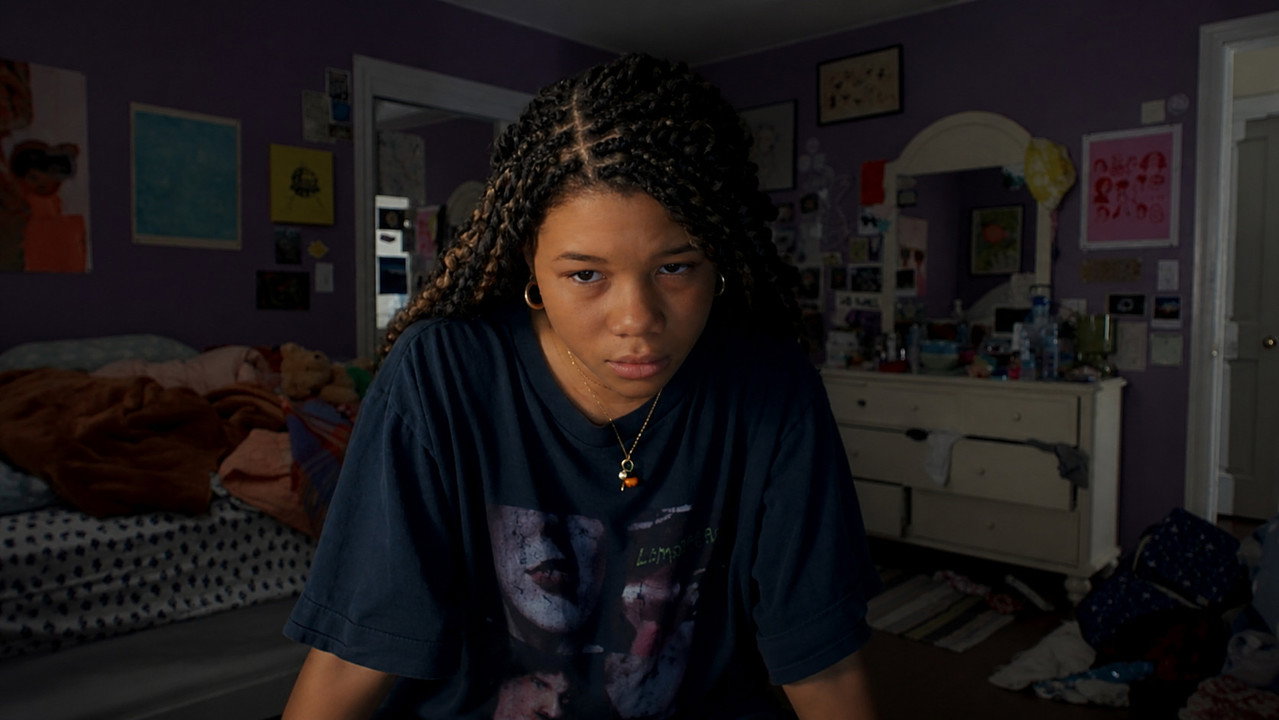
Nicholas D. Johnson and Will Merrick, who wrote the screenplay for the predecessor, this time take on the direction themselves. What the two know best is “how to turn the constraint of the screen into tension.” A moment when the mouse cursor hesitates, the frozen frame just before a video call drops, even the autocomplete text that flickers up and vanishes in a search box, all are used as information and as signals of emotion.
What is interesting is that it makes the audience move at the same speed as June. What June does not know, the audience does not know either, and the moment June discovers something, the audience draws breath along with her. But because this approach is here for a second time, you come to anticipate to some degree where a clue will pop out and where the board will flip. The technical polish is high, but the very astonishment of seeing Searching for the first time is not replicated.
Performance — Expressions conveyed across the screen
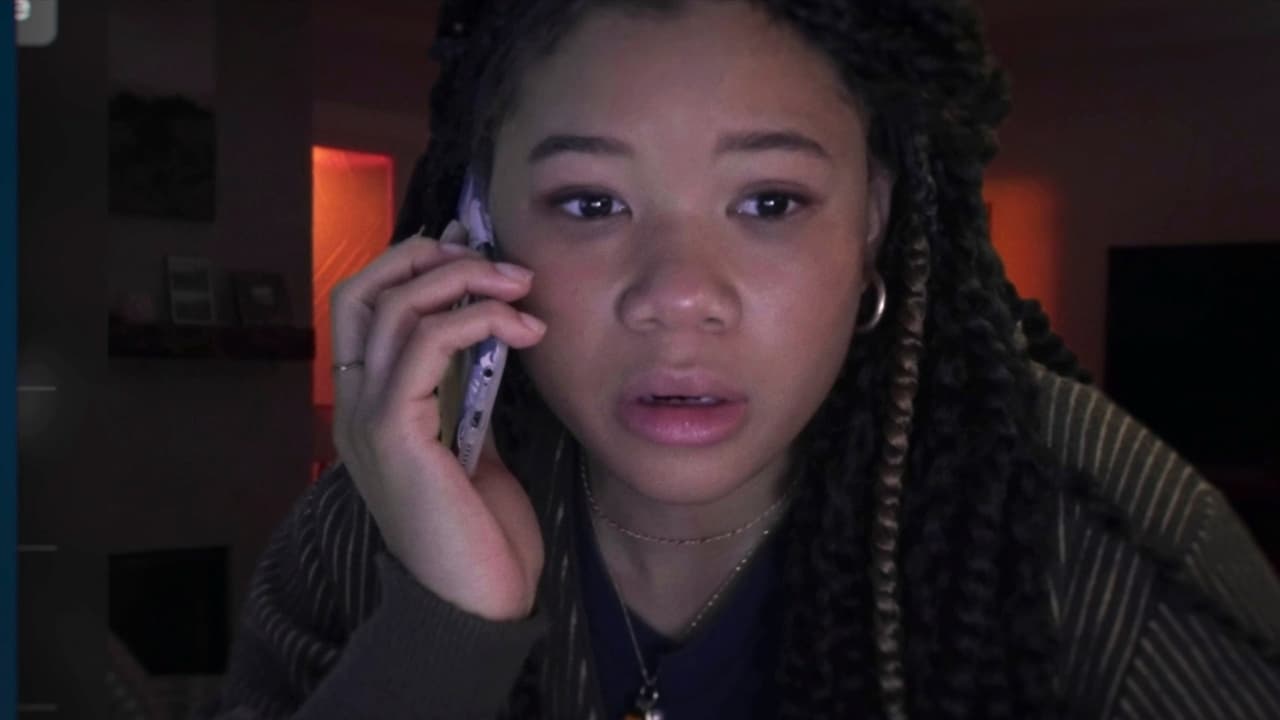
In this film the actors’ performances are mostly conveyed through a webcam. Since there is almost no distance between camera and character, a single small change of expression sways the temperature of a scene. Storm Reid bears that burden well. She convincingly draws, within a small screen, the process of a girl who at first treats her mother with annoyance and irritation gradually changing into guilt, fear, and finally dogged resolve.
Nia Long casts a shadow over the entire film despite limited screen time. Daniel Henney lays both fitting likability and suspicion onto the figure of the mother’s lover, keeping the audience hesitant to the end about how to view him. There is no small fun in reading the characters’ true hearts within the constraint of the screen.
What the film says — The age of search and the distance of trust
Missing is, on the surface, a disappearance mystery, but look inside and it is a story about “the digital traces we leave.” A person’s location, relationships, and secrets are now largely laid bare with a few taps of a search. The film doggedly notes that this convenience is also a vulnerability.
At the same time the work is a story about the distance between a mother and a daughter. The paradox at its emotional core is that a heart casually passed over when close is groped for desperately only when separated and connected through a screen alone. This mother-daughter emotional line, laid beneath the thrill of the chase, lifts a film that might have ended as mere technical stunt a notch higher.
Ratings & reception
The overseas response is generally favorable. The IMDb rating is 7.1 out of 10, the Rotten Tomatoes freshness score is 89%, and the Metacritic score is 66 out of 100. An assessment that it steadily expanded the predecessor’s idea coexists with a remark that, repeating the same format, the freshness has diminished.
Verdict
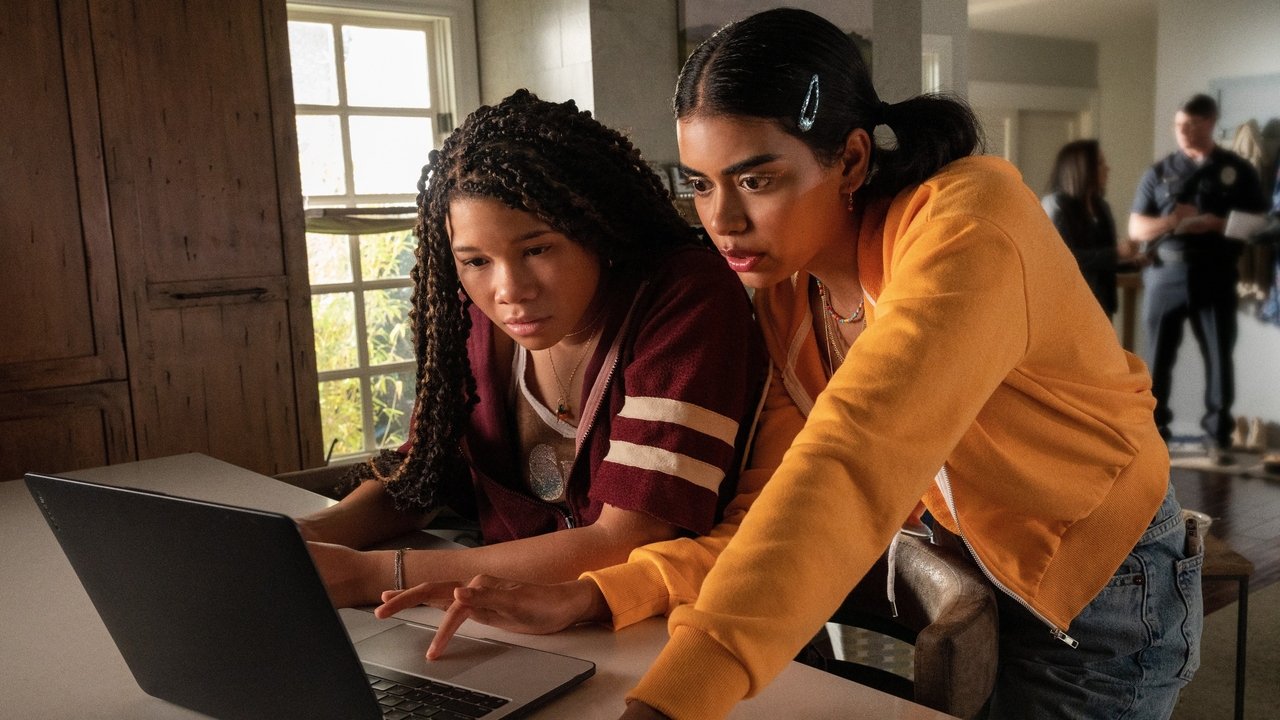
Missing is a well-made sequel that faithfully carries on its predecessor’s strengths. The format of unraveling events only within the screen is still clever, and the late twist works with a fair amount of weight. But that this approach is no longer new, and a development that leans on some coincidences, are the blemishes. Hence ★3.5. It is fair to see it as a work that competed on polish rather than novelty.
Recommended for
- Those who enjoyed the predecessor Searching
- Those who like the distinctive format of a thriller unfolding only within the screen
- Those who want a mystery with fast pacing and twists
Comments