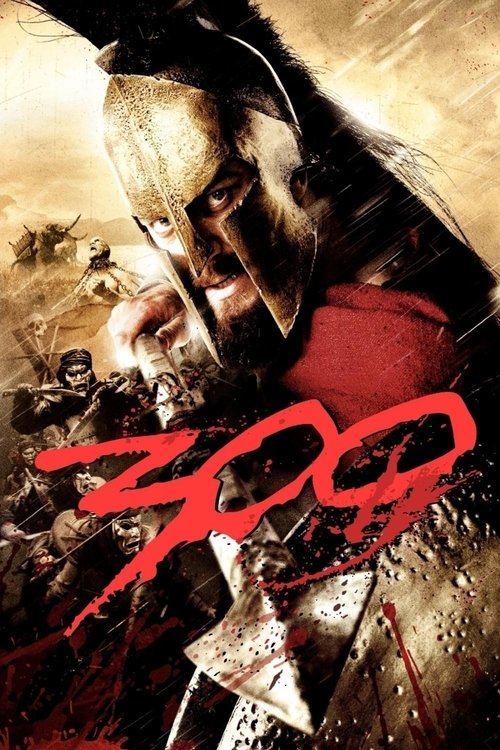
300 (2007)
A Graphic Novel Made Film, a Spectacle of Body and Myth
by 10days1movie · Published 2026-06-02
| Type | Movie |
|---|---|
| Director | Zack Snyder |
| Cast | Gerard Butler, Lena Headey, Dominic West |
| Release | 2007 |
| Genre | Action, Adventure, War |
| Runtime | 117min |
Few films in cinema history have rewritten the grammar of a genre through visual style alone. Zack Snyder’s 300 from 2007 is one of those rare cases. My rating is ★5.0. The plot is simple and the dialogue operatically over-the-top — yet throughout the film it becomes increasingly clear that every one of those choices was deliberate, and that the film earns them.
What it’s about — A battle as myth, not history
The film is set during the Battle of Thermopylae in 480 BC. Spartan King Leonidas (Gerard Butler) refuses Persian Emperor Xerxes’s demand for submission, and leads just 300 elite warriors to hold a narrow mountain pass against hundreds of thousands of Persian soldiers. It begins in history, but abandons realism from the first frame. Based on Frank Miller’s graphic novel of the same name, 300 tells its story as myth rather than chronicle. The central question isn’t tactical — it’s existential. Why fight when you know you will die? What does that choice say about who you are? These are the questions the film is actually interested in.
Direction — A screen lifted straight from the graphic novel
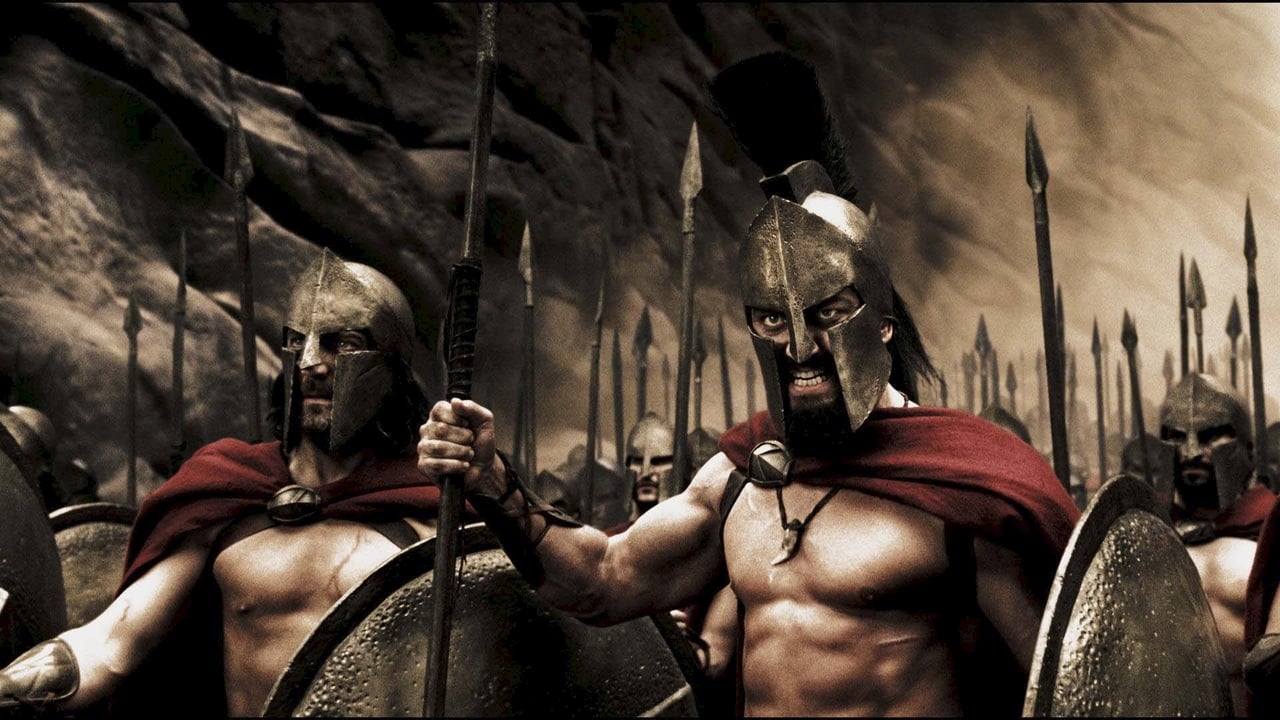
Everything in 300 begins with image. Snyder shot nearly every frame against digital backgrounds, faithfully translating the graphic novel’s hyper-saturated colour palette and extreme chiaroscuro contrast directly onto the screen. The golden gleam of Spartan muscle, an ink-black sky, red cloaks snapping in the wind — every shot is composed like a painting, and the calculation behind each frame is precise.
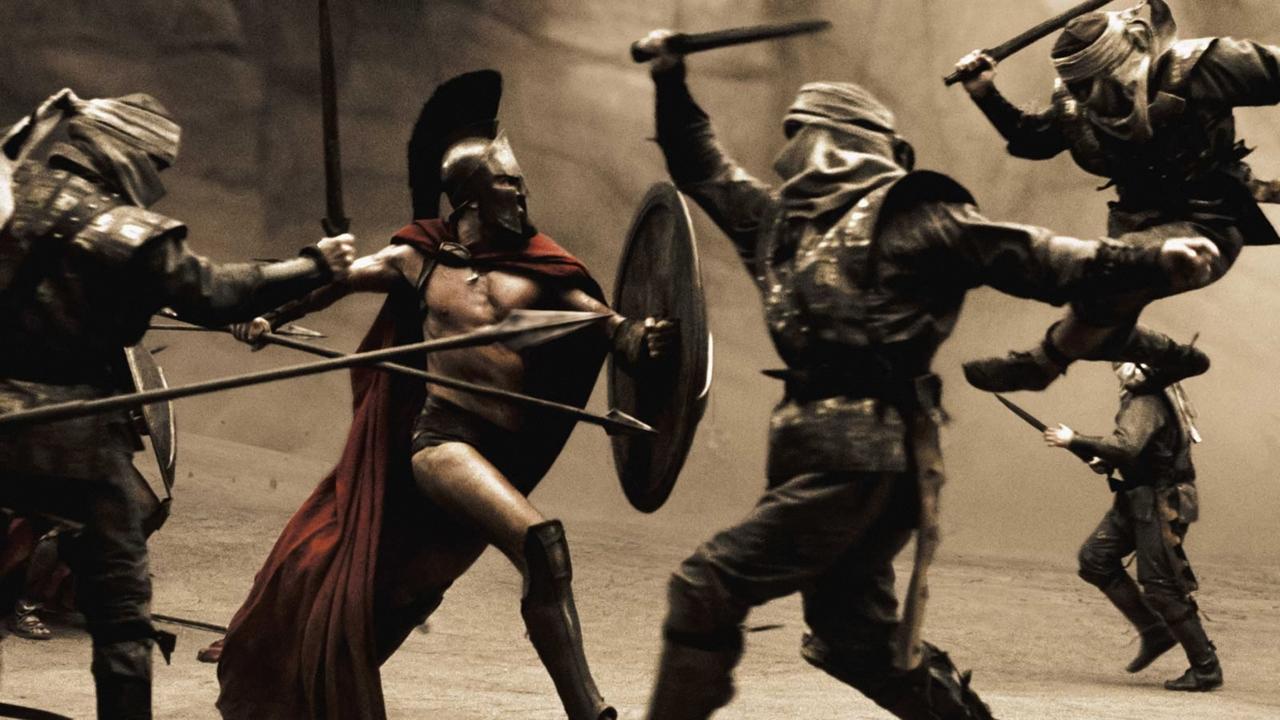
The film’s most distinctive technique is the interplay of slow motion and regular speed within individual action sequences. As a blade slices through the air or a spear tears through flesh, the film drops to near-freeze-frame, then immediately surges back to full speed. This rhythm transforms combat into something closer to sculpture or choreography — a visual experience rather than a tactical simulation. It sounds like a cliché to say no other film has done this so completely, but it happens to be true. The approach has been copied endlessly since 2007; the original still does it best.
Performance — Gerard Butler, where excess becomes majesty
Gerard Butler’s Leonidas is an outsized character. His lines are declarative, his voice pitched permanently at the edge of a roar. But the excess fits the film. Butler shapes Leonidas less as a historical man than as a figure out of epic poetry — a warrior who belongs to myth — and in doing so, signals with his whole body that this is not a history lesson but a legend. That “tonight we dine in Hell” lands as something close to majesty rather than camp is entirely Butler’s achievement, built on physical presence and unqualified commitment to the material.
Lena Headey’s Queen Gorgo gets less screen time but makes it count. She fights a political battle at home while Leonidas fights a military one abroad, and that subplot carries real weight — an equal war on a different front.
Ratings and reception
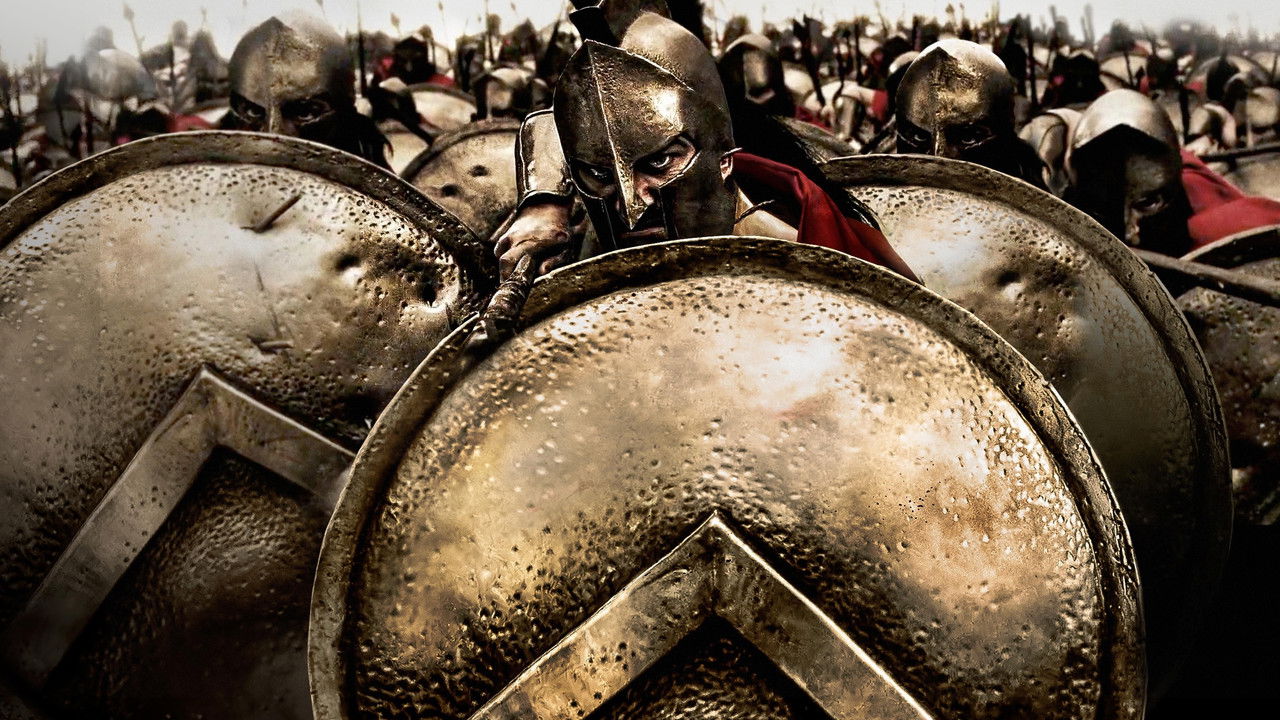
300 splits its audience cleanly in two, and the numbers show it. On Rotten Tomatoes, the film holds a 61% Tomatometer from 238 reviews — critics flagged the thin narrative and its distance from historical fact. On IMDb, however, it scores 7.6 out of 10, and at the box office it earned over $460 million worldwide, making it one of the biggest hits of 2007. The gap between critical caution and audience enthusiasm is itself a kind of argument: the film was built for a specific experience, and for its intended audience it delivers that experience with near-perfect efficiency.
Verdict
300 is a film that asks you to reconsider what “good” means. The story is lean, the speeches are bombastic, and it has no interest in historical fidelity. But as a demonstration of how to translate a graphic novel into moving images — and how to turn combat into a visual language — it remains a benchmark. If every scene of a film leaves you visually overwhelmed and fully absorbed for its entire 117 minutes, that film has done its job. Hence ★5.0.
Recommended for
- Viewers who find a film’s value in visual spectacle and kinetic action
- Anyone curious to see how graphic novel aesthetics can be fully realised on screen
- Those who want pure energy and immersion over narrative complexity
Comments